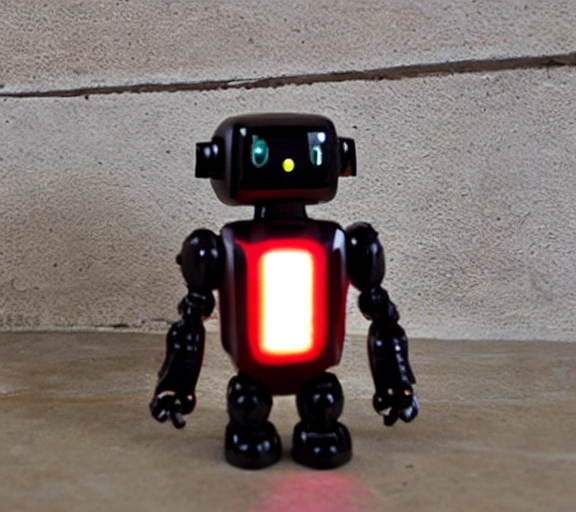
Picture of SCP-126.
Item #: SCP-126
Object Class: Safe
Special Containment Procedures: SCP-126 is currently contained in a standard containment locker. These cells are to be inspected annually, and any damage the object may have caused is to be repaired. Any changes in the object's character are to be reported immediately and investigated. Personnel handling SCP-126 are not permitted to have their wrists bound until after testing and should wear gloves in case of accidental exposure. During testing, personnel handling SCP-126 must sign a liability waiver, as requested for all SCPs.
All exterior and interior windows (including LCD displays) in the wing of Site-76 containing SCP-126 must be covered in opaque plastic for their immediate maintenance by Mobile Task Force Phi-4 ("The Watchdogs"). Should the integrity of Site-76's exterior walls or windows be compromised, MTF Phi-4 is to provide immediate backup from outside the facility on the nearest Foundation helipad.
Description: SCP-126 is a miniature, black toy robot approximately fifteen centimeters tall. SCP-126 is powered by a rechargeable battery pack located in its chest cavity, and every thirty days must be recharged to retain functionality. However, due to the simplicity of SCP-126's design and components, it is easily reparable with standard hand tools.
SCP-126 is impervious to non-physical damage such as corrosion, cutting, or blunt force trauma. Damage caused by physical impact does not affect SCP-126. When damaged or corroded by physical means, SCP-126 will attempt to repair itself over the course of one hour.
The only tool required to repair SCP-126 is an eraser. Any object capable of removing lead pencil markings from most surfaces can remove all remaining traces of damage from SCP-126. Reported methods used include saliva and saliva containing enzymes, water (from a hose), battery acid, and many other methods not yet explored by staff at Site-76. Removal has no adverse effect on SCP-126; however, the object will appear to have been deformed during repairs when viewed under magnification or when in a reflective surface. The object appears to reinstate its original shape after each repair.
Prior to being brought into custody, SCP-126 was discovered progressively disassembling itself at a rate over twenty thousand times faster than normal for a conventional high school chemistry project (See Addendum 126). Testing of both SCP-126 and the chemical that was causing the phenomenon have thus far failed to produce any results furthering our understanding of this anomaly; however in light of previous research findings it appeared prudent to keep the object contained until more information could be obtained.
Addendum 126: SCP-126 was originally recovered from a factory in ████████, Virginia. The factory was owned by the "Hedgehog Project" Foundation front company. The building had been vacant for several years, and it was not until the Foundation\'s presence was detected that the building was raided. Foundation agents found twelve children who were playing with SCP-126; all twelve had died from lead poisoning from prolonged contact with SCP-126. It is believed that SCP-126 was used to create decorations for the children\'s Christmas trees. It is currently believed that the children were unaware of the harmful effects of SCP-126, seeing as they were unable to reassemble it.
The children\'s bodies were found in adjoining rooms on the first floor, evidently having committed suicide after being exposed to SCP-126. Testing of their hands has revealed that their fingers and palms were covered in worn pencil markings consistent with writing, though no letters or words could be discerned other than "KABOOOM!" and "Merry Christmas".
Dr. █████ has discovered that the substance used to repair SCP-126 is a white lead pencil made by [REDACTED]. All samples of this lead have been confiscated from Foundation facilities and destroyed.